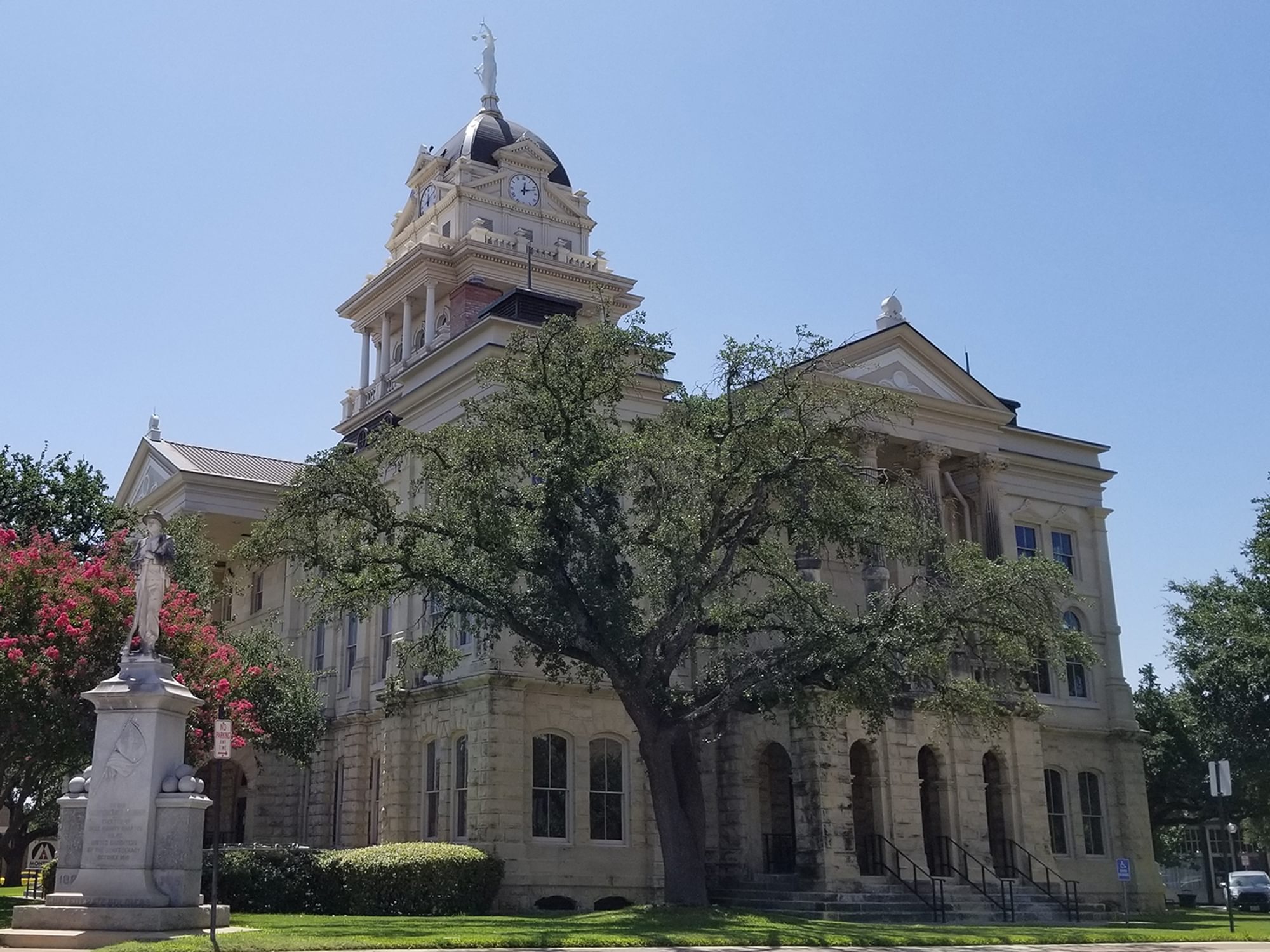
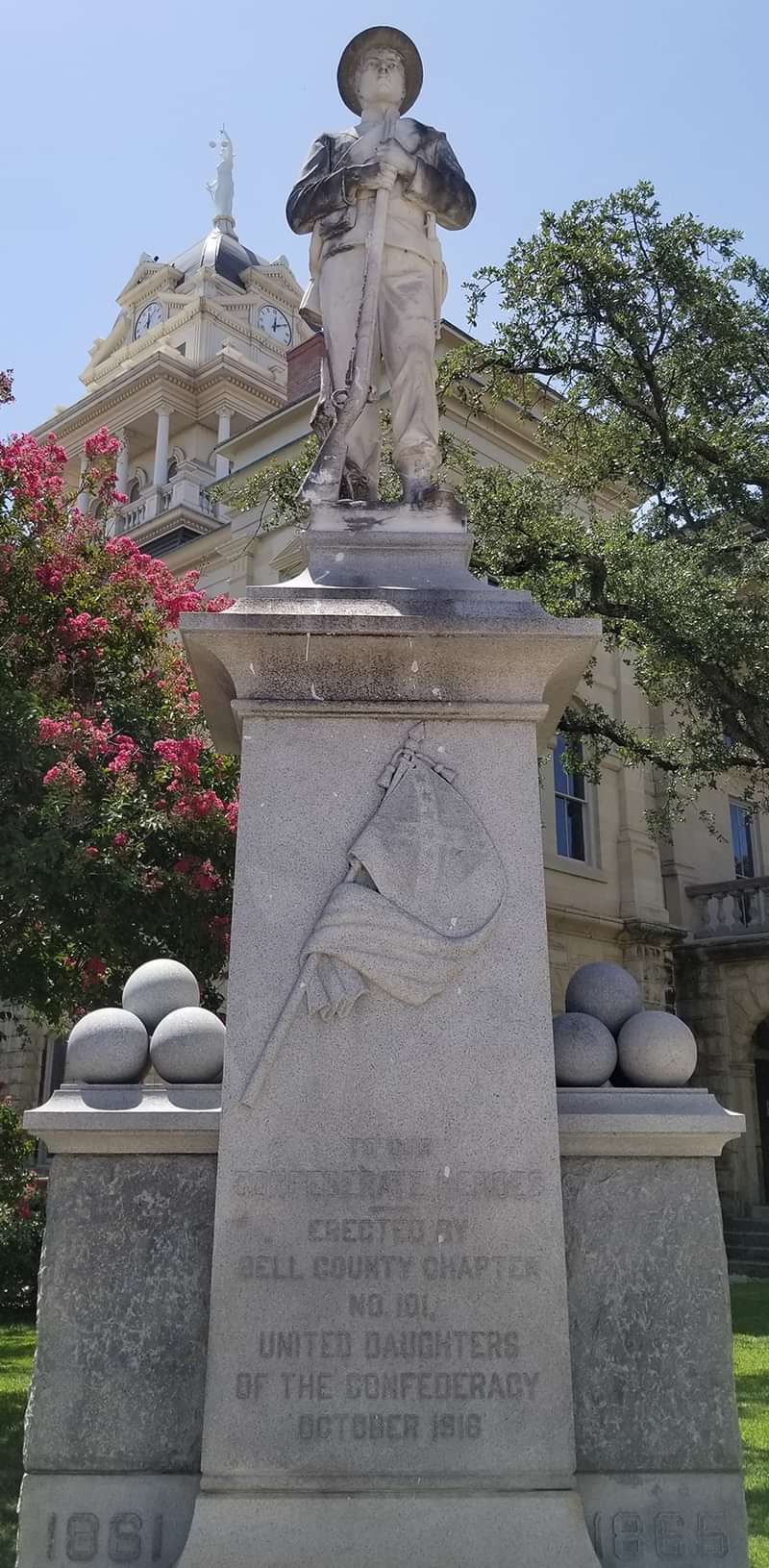
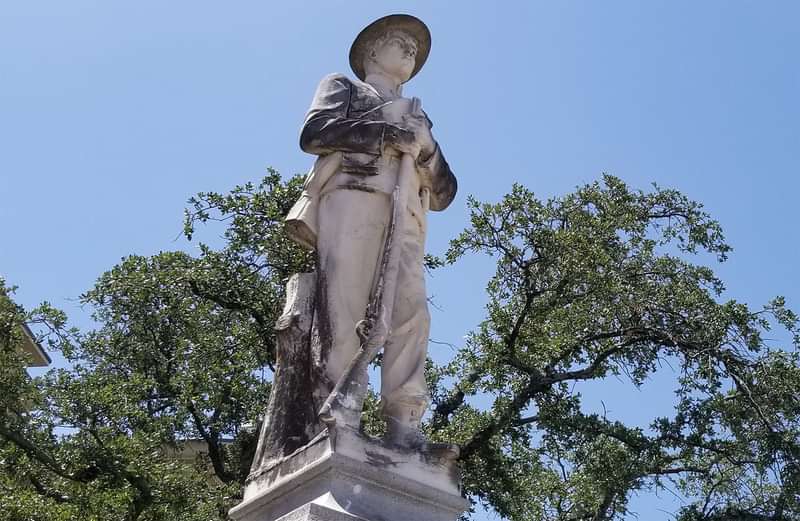
We have found no record of what Dr. Hardy said that day. But no matter what he said in 1916, I believe it is important today for me to speak in favor of moving the statue to a different location than the Bell County Courthouse.
I鈥檝e visited with some of my Black brothers and sisters about their thoughts on the statue. I鈥檇 like to share some of their remarks. 鈥淭he statue is a constant reminder of a past where we were considered second-class citizens, which affects how we feel about ourselves even today. It鈥檚 a reminder of the hardship and abuse our ancestors had to endure just to survive from day to day. It鈥檚 a reminder that as Black people we were always made to feel 鈥榣ess than,鈥� that we could never be considered equals simply because of the color of our skin, and that our lives just did not matter.鈥� After listening to my friends, I understood their perspectives on the statue.
If the statue is relocated, it will not erase the tragedy of the Civil War or the evil consequences of slavery in our country. But perhaps if it is removed from the front of a building that represents justice and equality, it can become a learning tool that reminds us of the tragic impact that racism has made on so many people鈥檚 lives.
There is never a justification for any form of racism to be tolerated. As a Christian university, we believe that this is a heart problem, and that the most effective ways to change hearts are through education and the work of the Holy Spirit. At Mary Hardin-Baylor, we are dedicated to providing opportunities for our students to experience both.
This does not mean that our school is above reproach regarding racism. The history of our university includes examples that we now find to be reprehensible. While we are grateful that the founders of our institution worked with conviction to establish the first Baptist university in Texas, they also were owners of enslaved people. The same was true for some of the university鈥檚 other early leaders. Although the university鈥檚 archives have little information about it, in 1920 there was a campus club associated with the KKK. Thankfully, it lasted only one year. Our yearbooks contain instances of blackface and Southern-themed skits which remain sad reminders of ignorance and racial insensitivity. Even today, we still have much work to do.